Home › Our equipment › Cereals & Fruit › Semi-automatic bottling machine
Semi-automatic bottling machine
Constant-volume filling and hot bottling, at the end of the juice line.
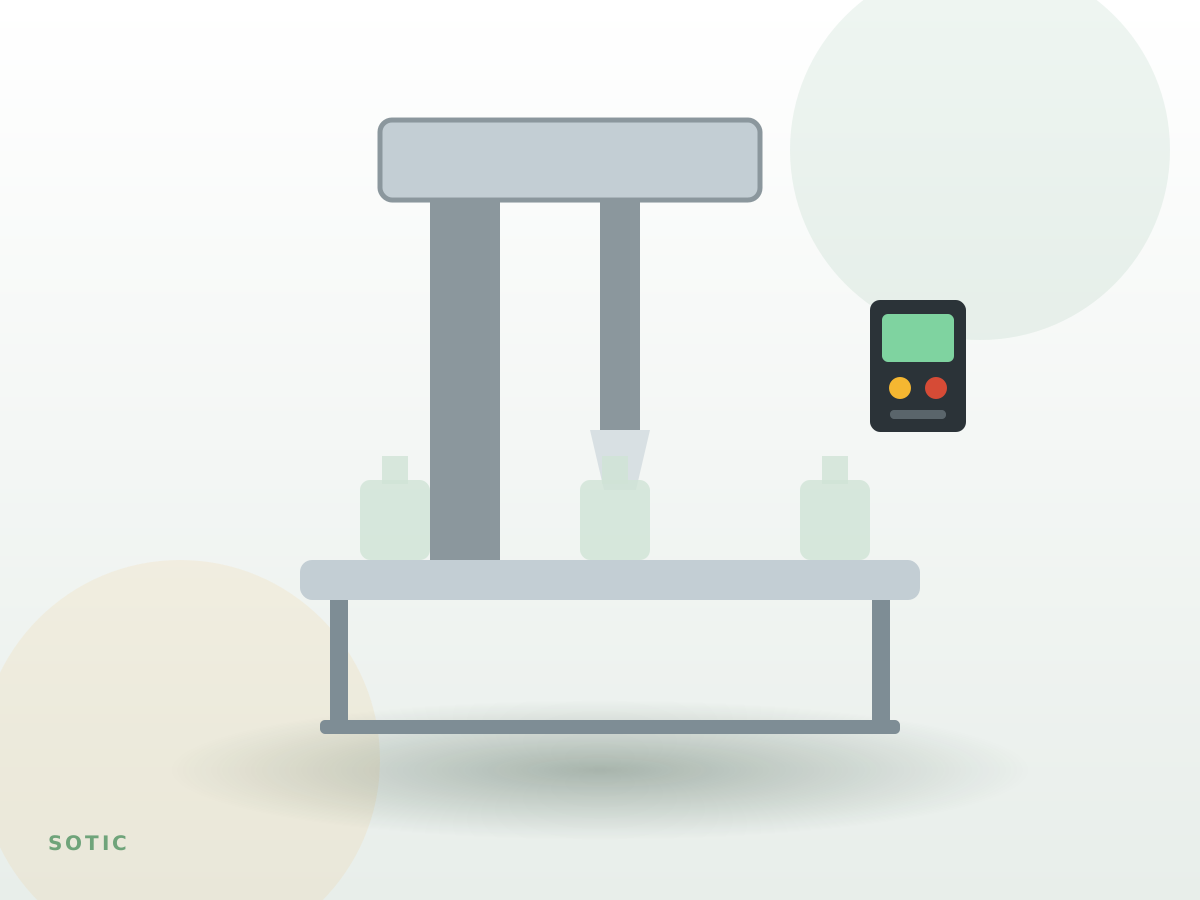
What this machine does
The semi-automatic bottling machine fills containers to a constant volume or level. It is the last station on the juice line, and it is also the point where all the food safety built upstream can be lost in seconds: a perfectly pasteurised juice poured into a badly rinsed bottle is recontaminated at once. The filling station is therefore designed together with its container preparation area.
Hot filling is the most widespread practice in medium-sized workshops: the juice is bottled at high temperature, which sanitises the neck and the cap, then immediate capping and inverting the bottle treats the inner face of the cap as well. The cooling that follows must be controlled — too abrupt and the glass breaks; too slow and it prolongs the cooking of the product and degrades its qualities.
See the sector Cereals & FruitAt a glance
- ReferenceFRU-EMB
- SectorCereals & Fruit
- PurposeConstant-volume filling and hot bottling, at the end of the juice line.
A detailed PDF data sheet will be available in the document centre once produced.
The parts that do the work
Volumetric or level filler
Repeatable filling of the container, with adjustable delivered volume.
Filling spout
Design limiting air pick-up and foaming during filling.
Capping station
Immediate closure after filling, the condition for hot treatment to be effective.
Cooling area
Progressive cooling of the bottles, avoiding thermal shock.
Technical data and configurations
| Characteristic | Indicative value |
|---|---|
| Cadence | according to format and operator |
| Formats | adjustable to the containers used |
| Mode | hot filling recommended |
| Product contact materials | AISI 304 stainless steel |
| Supply | electric, according to model |
| Adjustment | filling volume or level |
| Cleaning | circuit removable and rinsable |
| Downstream | immediate capping and controlled cooling |
These are usual design ranges for this type of machine, intended to guide early thinking. The contractual characteristics of the equipment actually manufactured — throughputs measured at acceptance, absorbed power, real footprint and weight — are established by the SOTIC design office and stated in the technical offer.
Available configurations
- One or several spouts according to the cadence sought.
- Adapted to the glass or plastic bottle formats used.
- Paired with a bottle washer and a labeller.
Installation requirements
- Clean area, separate from fruit reception and dust-generating stations.
- Sited next to the pasteuriser, for filling without waiting or temperature loss.
- Container preparation and rinsing area immediately upstream.
- Washable floor with drainage and sufficient lighting to check fill levels.
Maintenance and safety at the workstation
A machine lasts as long as its maintenance does. The points below appear in the preventive maintenance plan handed over at acceptance and are covered during operator training.
Preventive maintenance
- Cleaning and disinfection of the circuit after every run, with spouts removed.
- Check gaskets and the absence of retention in the circuit.
- Check the delivered volume by weighing or measurement at every format change.
- Check the condition of contact surfaces and welds.
Safety
- Hot product: burn and splash risk, protection mandatory.
- Glass bottles: breakage and cut risk, with a defined collection procedure.
- Isolation before any work on the moving parts.
Before ordering this machine
Yes, systematically. New bottles can contain dust, packaging debris or manufacturing residues. A rinse with treated water, or a disinfectant treatment followed by rinsing, is the rule. For returned bottles, full washing with visual inspection is essential — and some must not be reused at all.
Hot filling is the simplest and safest route for a medium-sized workshop: it sanitises the neck and the cap without additional equipment. Cold filling requires far more demanding aseptic control — filtered air, sterilised containers, controlled environment — which belongs to another level of installation and investment.
Request a quote: Semi-automatic bottling machine
Tell us the throughput you are aiming for, the material to be processed and the energy available on your site: we come back with a reasoned configuration and a price, rather than a catalogue rate.
- Technical answer: we first check that this machine genuinely matches your need.
- Tailored configuration: size, drive, options and wear parts defined with you.
- Complete pricing: equipment, transport, erection, commissioning and training.
- Next steps: civil works, connections and maintenance where required.
First reply target: 48 working hours.
Other machines in the Cereals & Fruit
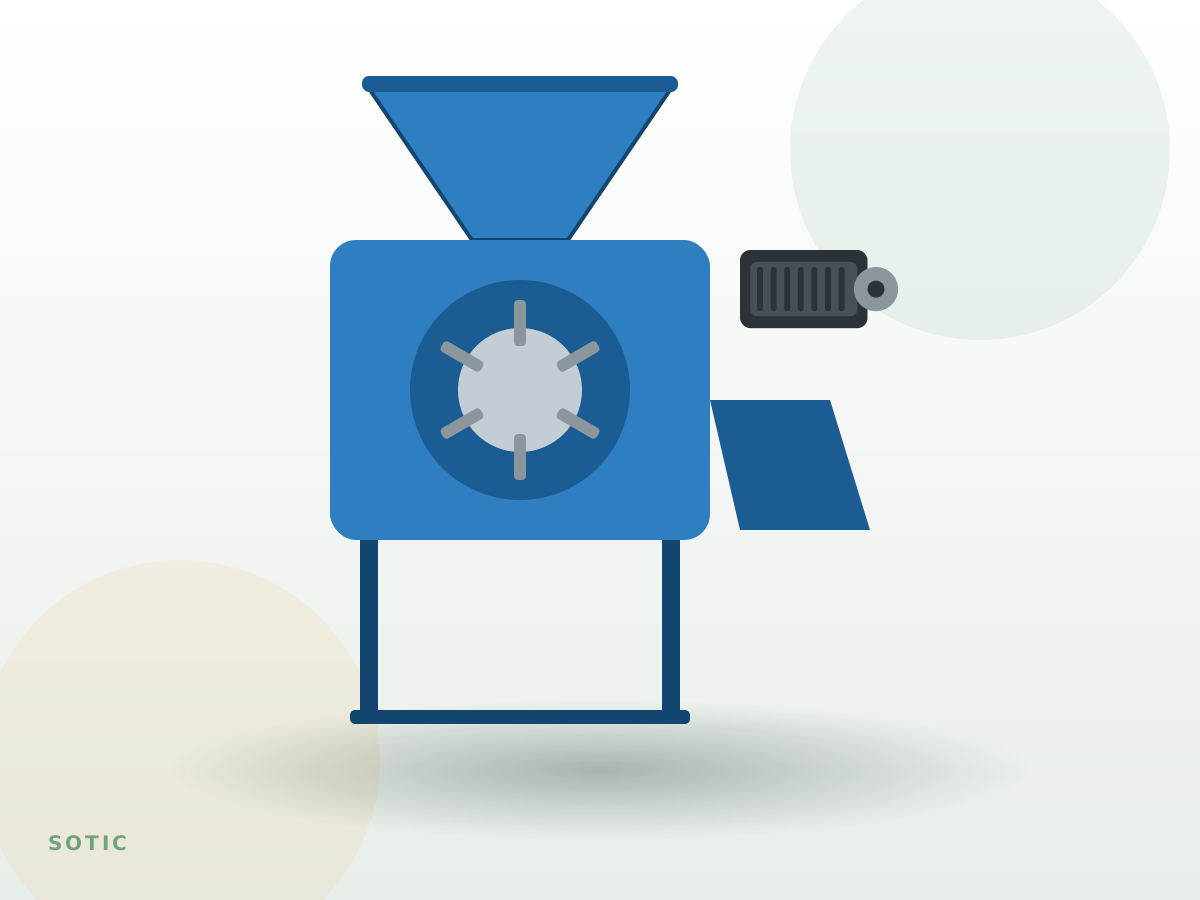
Dry hammer mill
Grinds dry products by impact, with particle size set by the screen fitted.

Wet paste mill
Wet grinding of pasty products, with an inclined feed chute.

Parabolic solar dryer
Solar dryer with parabolic reflector: concentrated radiation, no energy consumption.
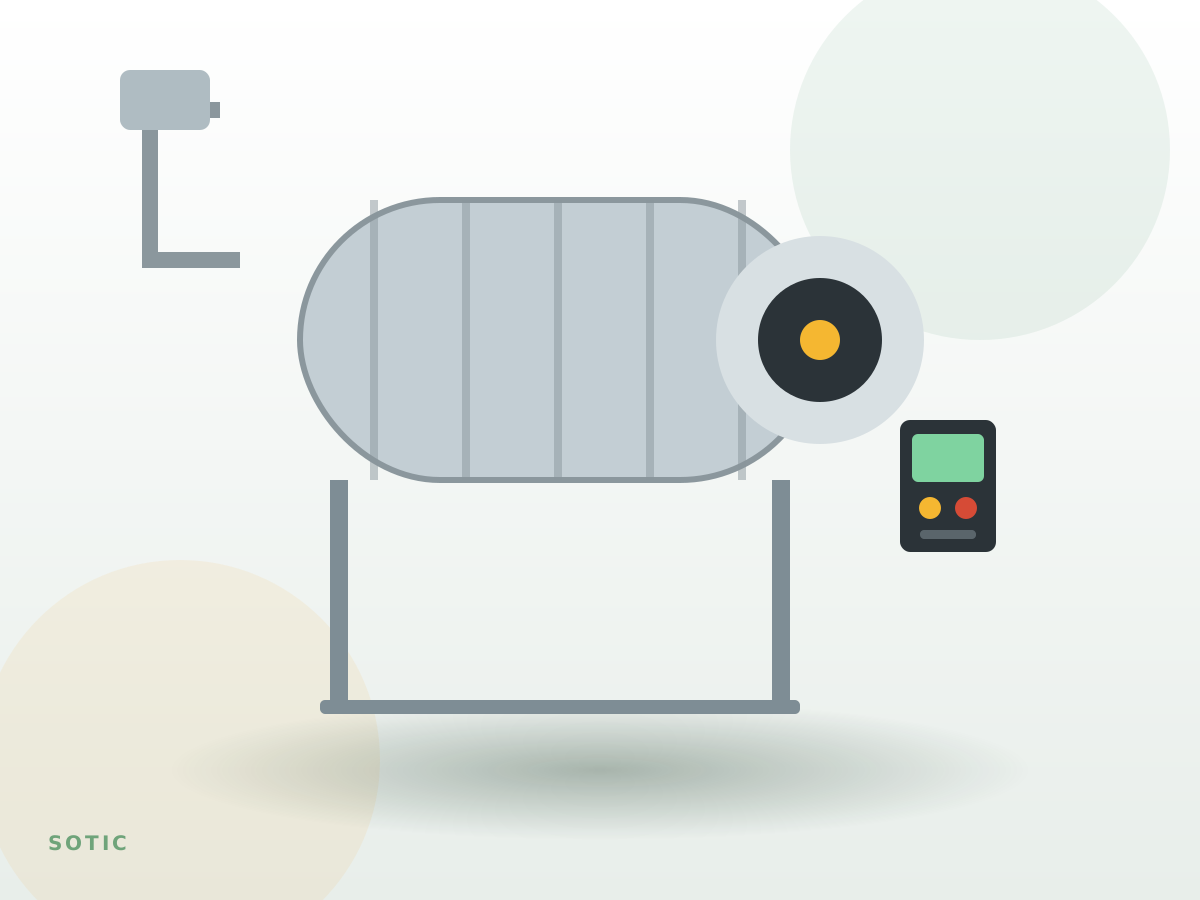
Gas roaster
Rotating drum roasting with flame control and a mastered treatment curve.