Home › Our equipment
CatalogueEquipment designed for a raw material, not for a catalogue
Seven sectors, dozens of individual machines and complete lines. Every configuration is established from the material actually available, the energy accessible on site and the finished product targeted.
Seven ranges, one sizing method
Each sector page details the process chain, the machines available, the capacity ranges and the operating parameters to master. To go straight to the machine sheets — purpose, principle, specifications and quotation — open the catalogue of 52 machines.

Cassava
Washer-peelers, drum graters, hydraulic and continuous presses, cake breakers, gari roasters, dryers, starch and attiéké lines.
- Grating 0.5 to 3 t/h
- After pressing 45 to 50 % H₂O

Coffee & Cocoa
Pod breakers, pulpers, instrumented fermentation boxes, indirect air dryers, roasters, cracker-winnowers, liquor mills.
- Final moisture 7 to 8 %
- Liquor fineness < 30 µm
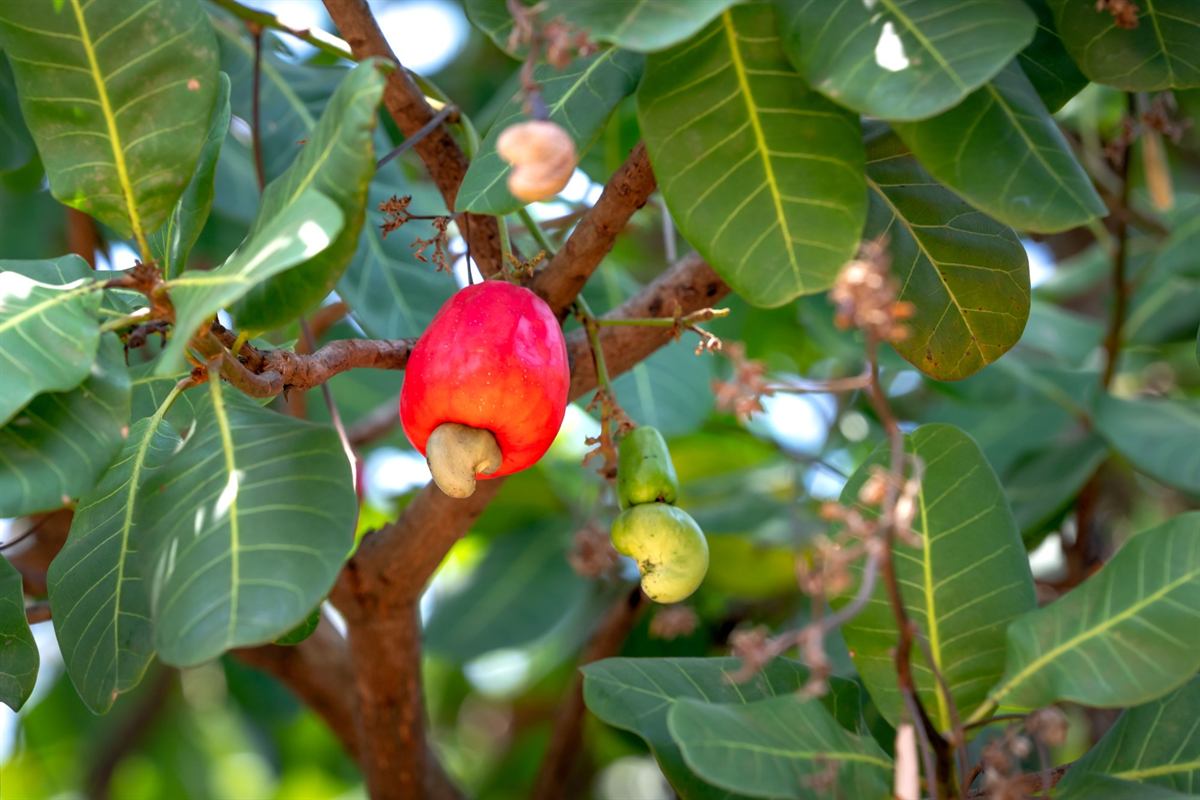
Cashew
Sizers, steam cookers, paired-blade shellers, ovens, peeling machines, grading tables, vacuum packing.
- Whole kernels target > 85 %
- Sizing 4 to 6 classes
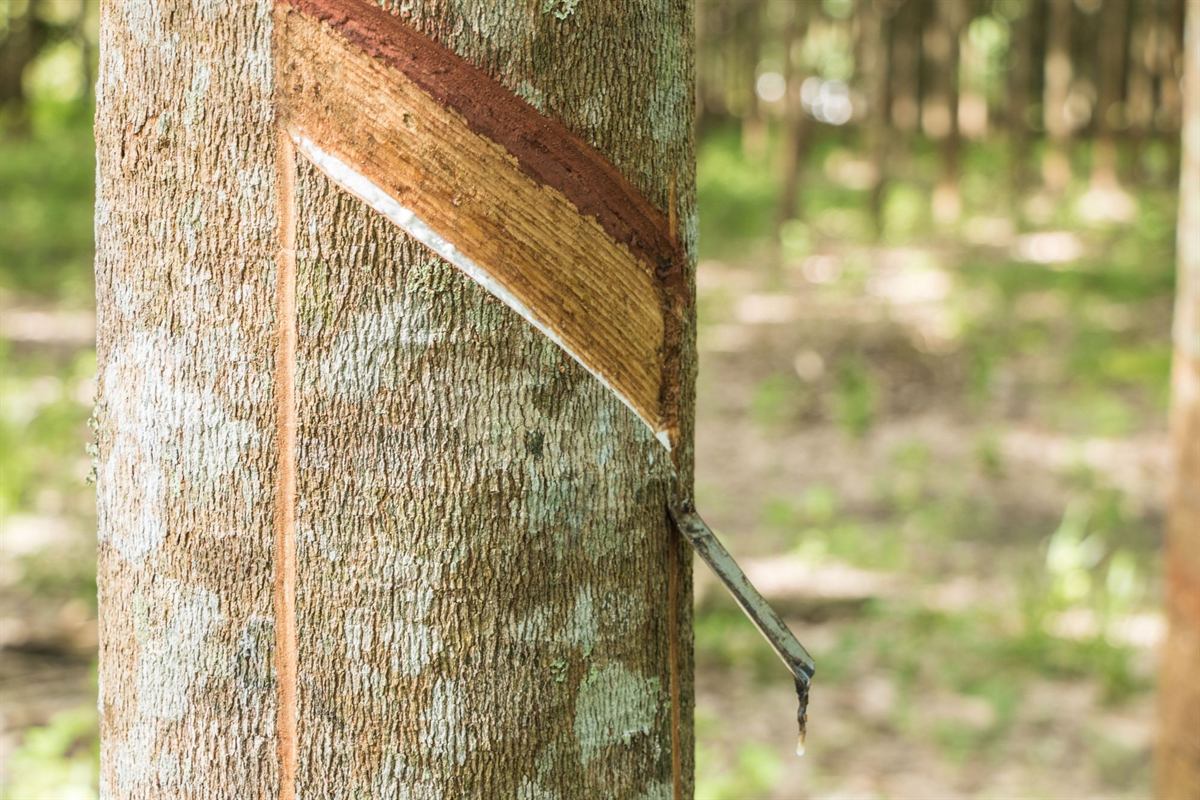
Rubber
Coagulation tanks, pre-grinders, grooved creper mills, submerged granulators, trolley dryers, baling presses.
- Drying 110 to 125 °C
- Bales 33.3 kg
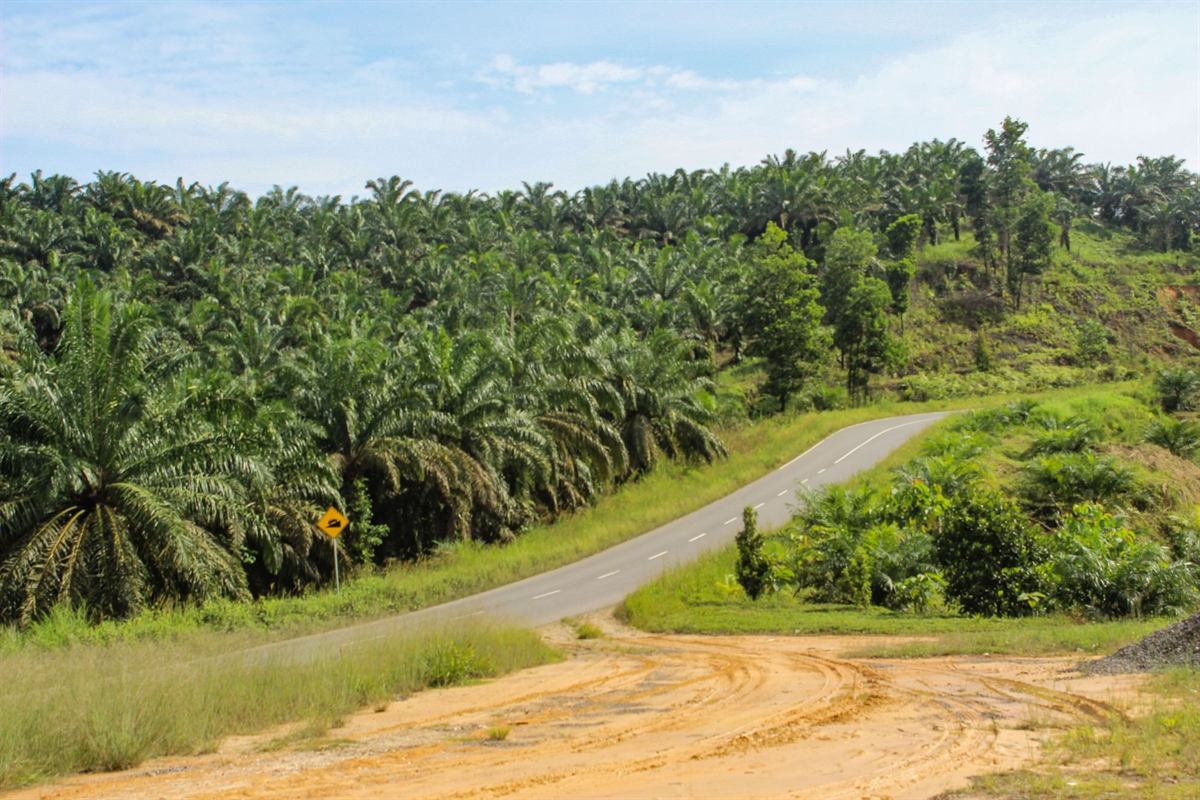
Oil palm
Sterilisers, bunch strippers, heated digesters, screw presses, clarifiers, vacuum dryers, nut crackers and kernel presses.
- Target extraction 18 to 22 %
- Target acidity < 5 %
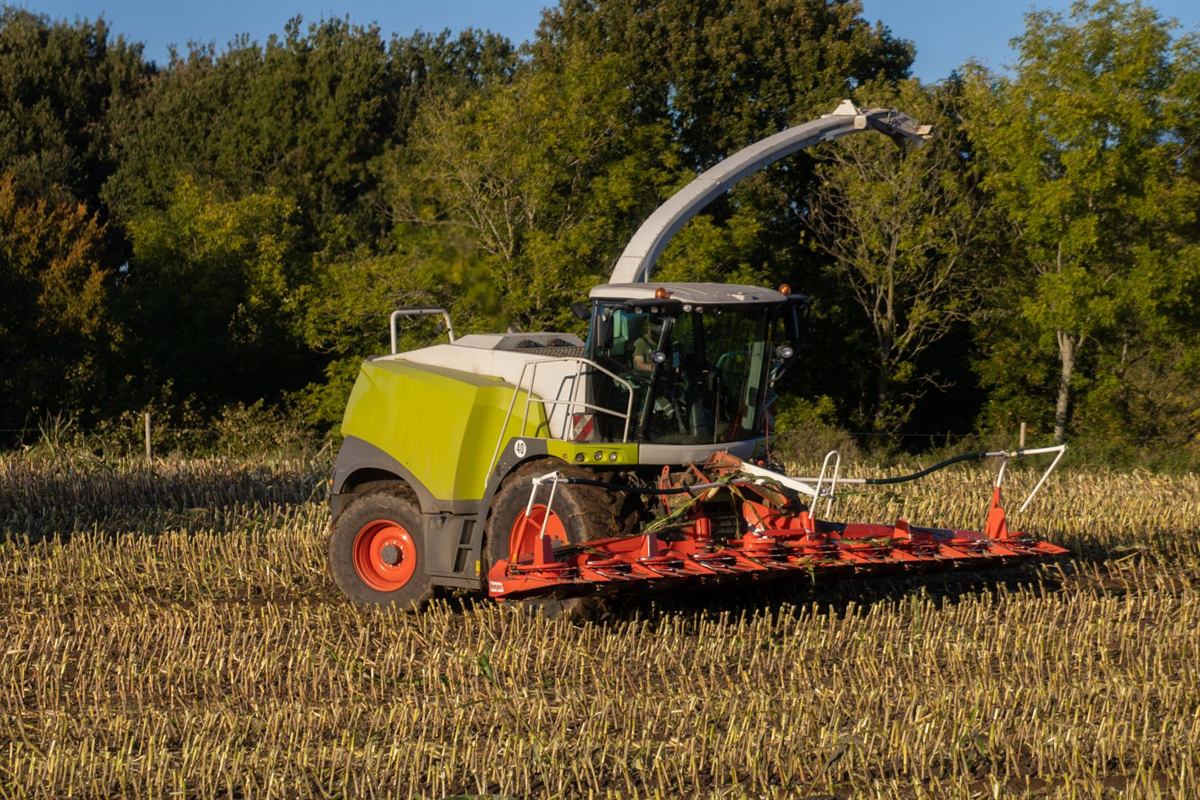
Cereals & Fruit
Thresher-winnowers, cleaner-separators, roller hullers, hammer mills, modular dryers, crusher-refiners, pasteurisers.
- Storage 12 to 13 % H₂O
- Pasteurisation 85 to 95 °C
Farm mechanisation
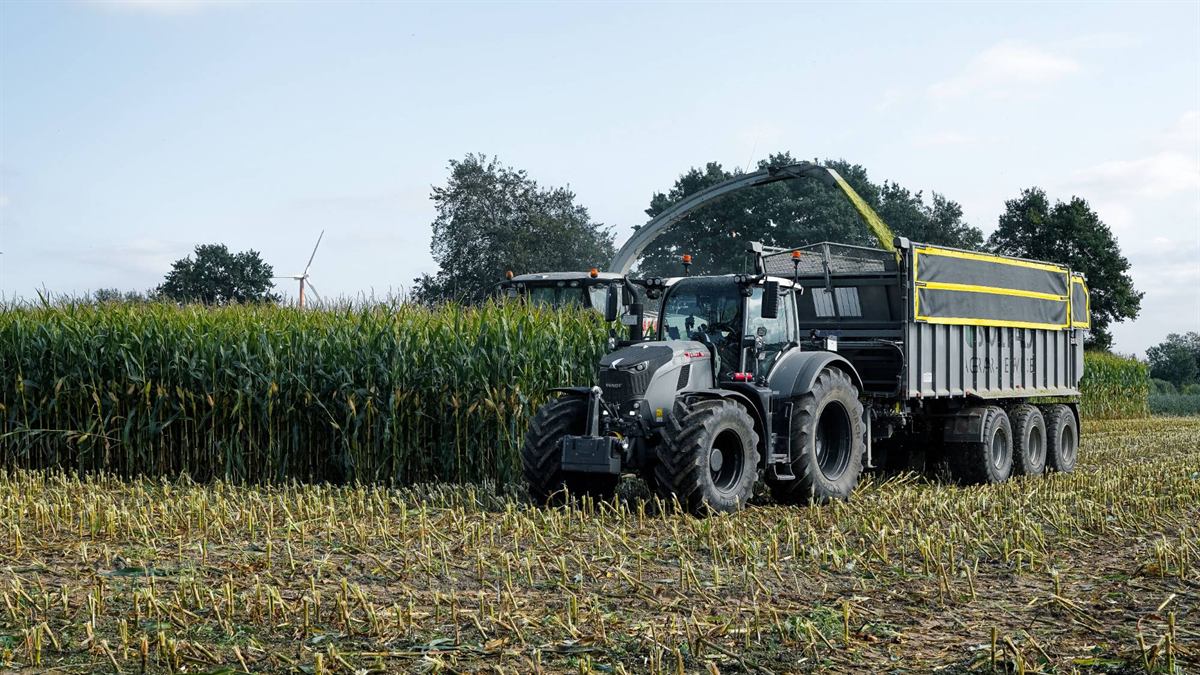
Tractors and power tillers, disc ploughs and harrows, subsoilers, seed drills, flail mowers, trailers, pumping and irrigation.
- Power 15 to 120 hp
- Linkage 3-point cat. I / II
Associated civil works
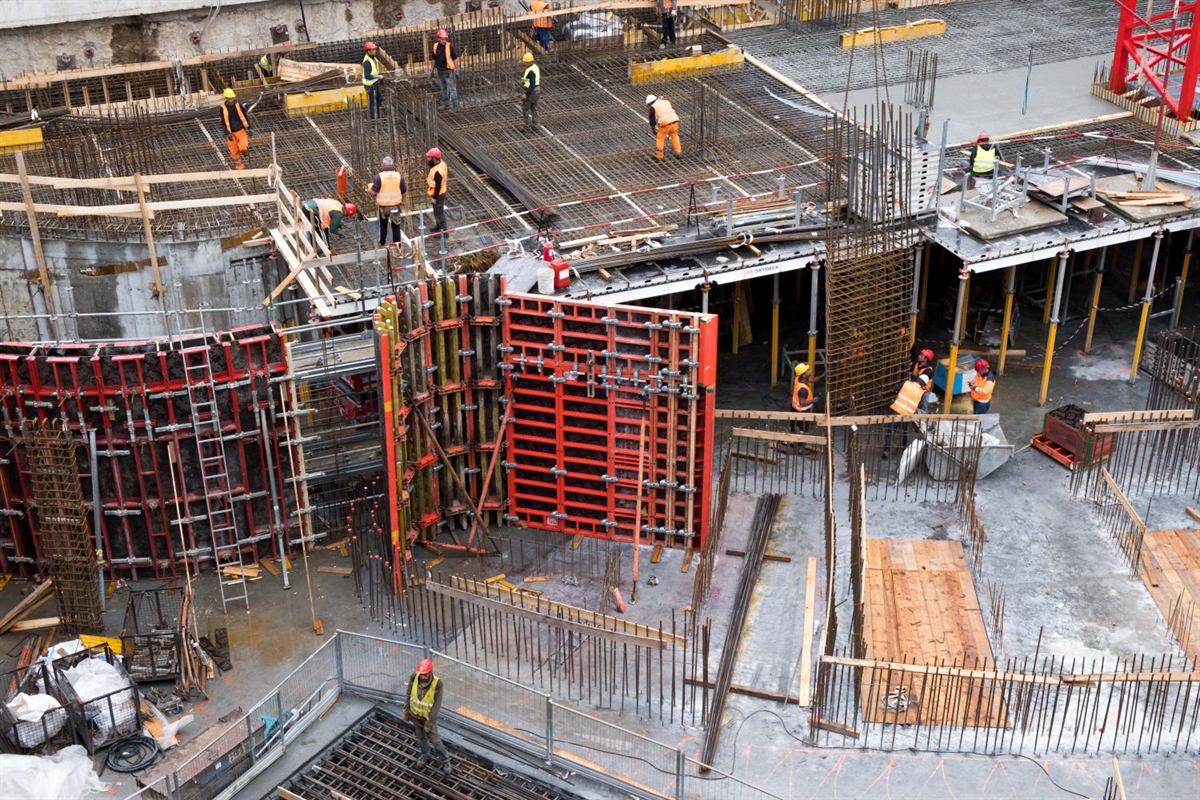
Anchor blocks, industrial slabs, processing sheds, networks and roads: the structure that houses the production line.
- Slabs rolling loads
- Handover with testing
The calculation before the quotation
An equipment proposal that does not rest on a material balance and an energy balance is not a technical proposal: it is a price list. Before any costing, our design office establishes the elements that determine the configuration.
- Characterisation of the raw material: water content, useful matter content, particle size, impurity load, seasonal variability.
- Material balance: expected yields station by station, losses, usable by-products, mass of finished product per tonne in.
- Energy balance: electrical power demand, heat requirements, mode of heat production, cost of useful energy per tonne.
- Layout: flow diagram, floor areas required, clear heights, movement of materials and people, separation of clean and dirty areas.
- Investment and operation: acquisition cost, civil works cost, consumables, labour, maintenance and forecast cost price per tonne.

Provisional illustration — to be replaced by a photograph of the design office.
What happens between the drawing and the delivery
Welded fabrication follows a strict sequence, each stage of which governs the final geometry and the service behaviour of the machine.
Cutting and preparation
Cutting of plate and sections, edge preparation for welding, deburring. Imprecise cutting is paid for in assembly defects that can no longer be corrected.
Assembly and welding
Positioning on jigs, tack welding, welding by the process suited to the material — the sequence of passes is defined to limit distortion from shrinkage.
Machining and balancing
Machining of bearing seats and bores, balancing of rotors: residual imbalance on a fast-rotating part destroys bearings within a few hundred hours.
Assembly and testing
Fitting of drive components, alignment, clearance checks, corrosion protection, then no-load testing in the workshop before dispatch to site.
AISI 304 stainless steel for surfaces in contact with food, carbon steels for structures, surface treatments suited to the site environment. Applicable material certificates, welding procedures and inspection reports are to be agreed with SOTIC according to the requirements of the client and the target market.
A machine delivered is not a machine producing
Between delivery on site and steady production lie operations that determine the real performance of the installation and that are too often underestimated in project budgets.
Setting out and anchoring
Marking out, levelling, chemical or mechanical anchoring on a sized block, flatness checks. A poorly bedded machine vibrates, wears and drifts out of adjustment continuously.
Connections
Protected, properly sized electrical supply, earthing, hydraulic and steam connections, isolation devices accessible from the workstations.
No-load then load testing
Checking of rotation directions, safety devices and alignments under no load, then progressive loading with recording of throughputs, consumption and temperatures.
Joint acceptance
Recording of the performance observed in the client's presence, listing of reservations, handover of technical documentation and test records.

Provisional illustration — to be replaced by a photograph of on-site training.
Useful service life is decided after acceptance
Almost all prolonged stoppages observed on processing units come from two causes: preventive maintenance not applied, and an unavailable wear part. We address both from the design stage.
- Preventive maintenance plan handed over at acceptance: greasing intervals, tension and alignment checks, safety points to verify.
- Set of essential spare parts built up with the installation, based on the most heavily loaded components of the line.
- Locally available references for bearings, belts, motors and standard components, to avoid import delays in mid-season.
- Manufacture of wear parts in our workshop where the original supply is too slow or too costly.
- Training of the client's technicians in first-level maintenance and in diagnosing common faults.
Warranty terms, the scope of servicing contracts and response times: to be confirmed with SOTIC before publication.
Three scales of unit, three operating logics
This table gives the orders of magnitude that distinguish the configurations. It does not replace the study: it helps place a project and direct the first questions.
| Criterion | Artisanal unit | Semi-industrial unit | Industrial unit |
|---|---|---|---|
| Indicative throughput | 100 to 500 kg/h | 0.5 to 2 t/h | 2 t/h and above |
| Operating mode | Batch, multi-skilled operators | Linked stations, team operation | Continuous line, instrumented control |
| Energy | Single-phase or thermal, biomass | Three-phase, back-up generator advised | Sized three-phase, steam generation |
| Civil works | Covered shelter, plain slab | Shed, reinforced slab, networks | Industrial building, blocks, effluent |
| Labour | 2 to 6 people | 6 to 20 people | Shift teams, technical supervision |
| Dominant issue | Regularity and hygiene | Balancing the stations | Availability and cost per tonne |
Status of these values: estimate design orders of magnitude, to be confirmed project by project by the design office.
Before choosing a machine
Yes. Every machine in the catalogue has a PDF data sheet, gathered in the document centre: purpose, capacity range, installed power, footprint and weight, contact materials, wear parts and installation requirements. Sheets still in preparation are marked as such; for a machine not yet documented, we send the information on request.
Both. An individual machine makes sense to complete an existing installation or replace a saturated station. We do check, however, that it fits the existing flow: adding a grater twice as fast in front of an unchanged press merely moves the bottleneck and piles up pulp that oxidises while waiting to be pressed.
They depend on workshop load, on the availability of bought-in components and on the progress of the civil works, which governs erection. The provisional schedule is established with the proposal, with milestones for drawing approval, manufacturing, delivery and commissioning. Typical lead times to be confirmed by SOTIC
Working across the sub-region is consistent with our trades, the sectors concerned being present in several neighbouring countries. The exact geographical scope, transport arrangements and conditions for working abroad are to be confirmed with SOTIC before publication.
We start from your material, not from our catalogue
Describe your project in a few lines: product, tonnage, location and energy available. We come back with the useful technical questions and a first indication of configuration.
