Home › Our equipment › Cashew › Semi-automatic sheller
Semi-automatic sheller
Assisted shelling station: measured investment, flexibility and a high whole-kernel rate.
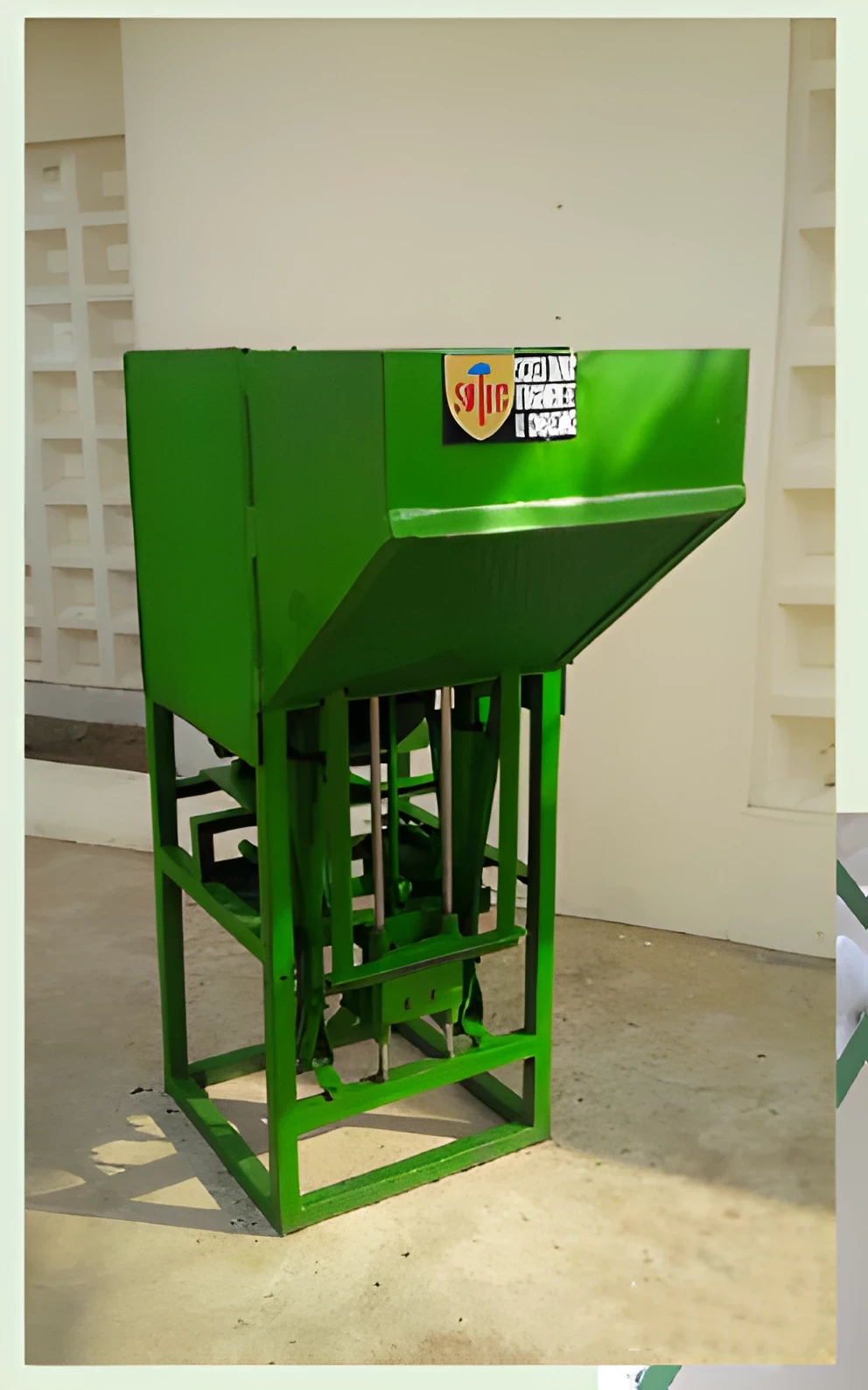
What this machine does
The semi-automatic sheller combines the precision of the human hand with mechanical assistance. The operator presents and orients each nut, the machine performs the opening with paired blades. This configuration keeps the decisive advantage of manual work — immediate adaptation to the real shape of each nut, which is never perfectly regular — while removing the effort and the cut hazard of traditional shelling.
Economically it matches a very common situation: an annual tonnage of a few hundred tonnes, labour available and to be trained, and limited capital. It allows capacity to be built up station by station, without calling the installation into question. Many high-performing units in West Africa work on this model and reach whole-kernel rates that poorly run automatic lines do not achieve.
See the sector CashewAt a glance
- ReferenceCAJ-DES
- SectorCashew
- PurposeAssisted shelling station: measured investment, flexibility and a high whole-kernel rate.
A detailed PDF data sheet will be available in the document centre once produced.
The parts that do the work
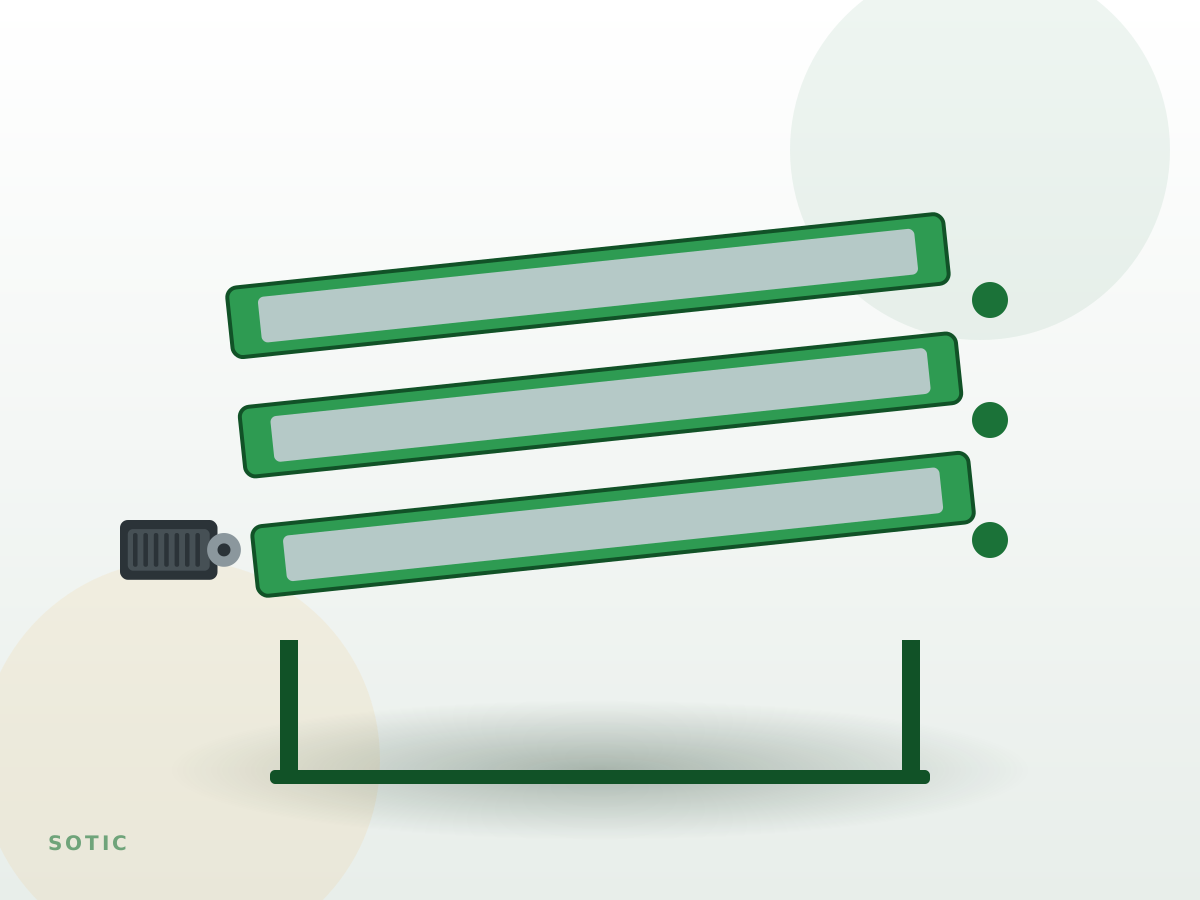
Adjustable paired blades
Set per size class and fine-tuned by the operator according to how the batch behaves.
Pedal or lever control
Actuation leaving both hands free to present and remove the nut.
Ergonomic workstation
Working height, seating and lighting designed for a full production day.
Drip collection
Balm collection tray under the station, in resistant materials.
Technical data and configurations
| Characteristic | Indicative value |
|---|---|
| Cadence | according to operator and nut size |
| Whole-kernel rate | target above 85 % with a trained operator |
| Adjustment | blade clearance per size class |
| Station | individual, multipliable to the capacity sought |
| Materials | treated steel, exposed parts protected |
| Feed | manual, after cooking and resting |
| Footprint | small, can be arranged in banks |
| Energy | low consumption or purely mechanical operation |
These are usual design ranges for this type of machine, intended to guide early thinking. The contractual characteristics of the equipment actually manufactured — throughputs measured at acceptance, absorbed power, real footprint and weight — are established by the SOTIC design office and stated in the technical offer.
Available configurations
- Individual stations grouped in banks according to the capacity required.
- Blade sets per size class.
- Benches fitted with extraction for the densest layouts.
Installation requirements
- Ventilated, well-lit workshop, the operation being as much visual as manual.
- Stations arranged so nuts arrive and shells leave without crossing.
- Washable, chemically resistant floor.
- Water point and soap nearby for immediate skin rinsing in case of contact.
Maintenance and safety at the workstation
A machine lasts as long as its maintenance does. The points below appear in the preventive maintenance plan handed over at acceptance and are covered during operator training.
Preventive maintenance
- Sharpen or replace blades according to the wear observed in the whole-kernel rate.
- Daily cleaning of hardened balm on the moving parts.
- Light greasing of the pivots.
- Check the clearance setting at every shift start and size change.
Safety
- Gloves and skin protection are essential against CNSL.
- Training is compulsory before taking a station, including the nut presentation gesture.
- Regular breaks: the work is repetitive and attention governs both quality and safety.
Before ordering this machine
The calculation starts from the real cadence of a trained operator, measured over a full day and not over a few minutes of demonstration, then from the number of hours actually worked. Allowance must also be made for absence and for the learning curve of new operators, who only reach nominal cadence after several weeks.
Two strands: the technical gesture — presenting, orienting, removing — and an understanding of what breaks a kernel, which allows the operator to report a poorly conditioned batch instead of enduring a high breakage rate. Safety training, particularly on CNSL, is an integral part of it.
Request a quote: Semi-automatic sheller
Tell us the throughput you are aiming for, the material to be processed and the energy available on your site: we come back with a reasoned configuration and a price, rather than a catalogue rate.
- Technical answer: we first check that this machine genuinely matches your need.
- Tailored configuration: size, drive, options and wear parts defined with you.
- Complete pricing: equipment, transport, erection, commissioning and training.
- Next steps: civil works, connections and maintenance where required.
First reply target: 48 working hours.
Other machines in the Cashew
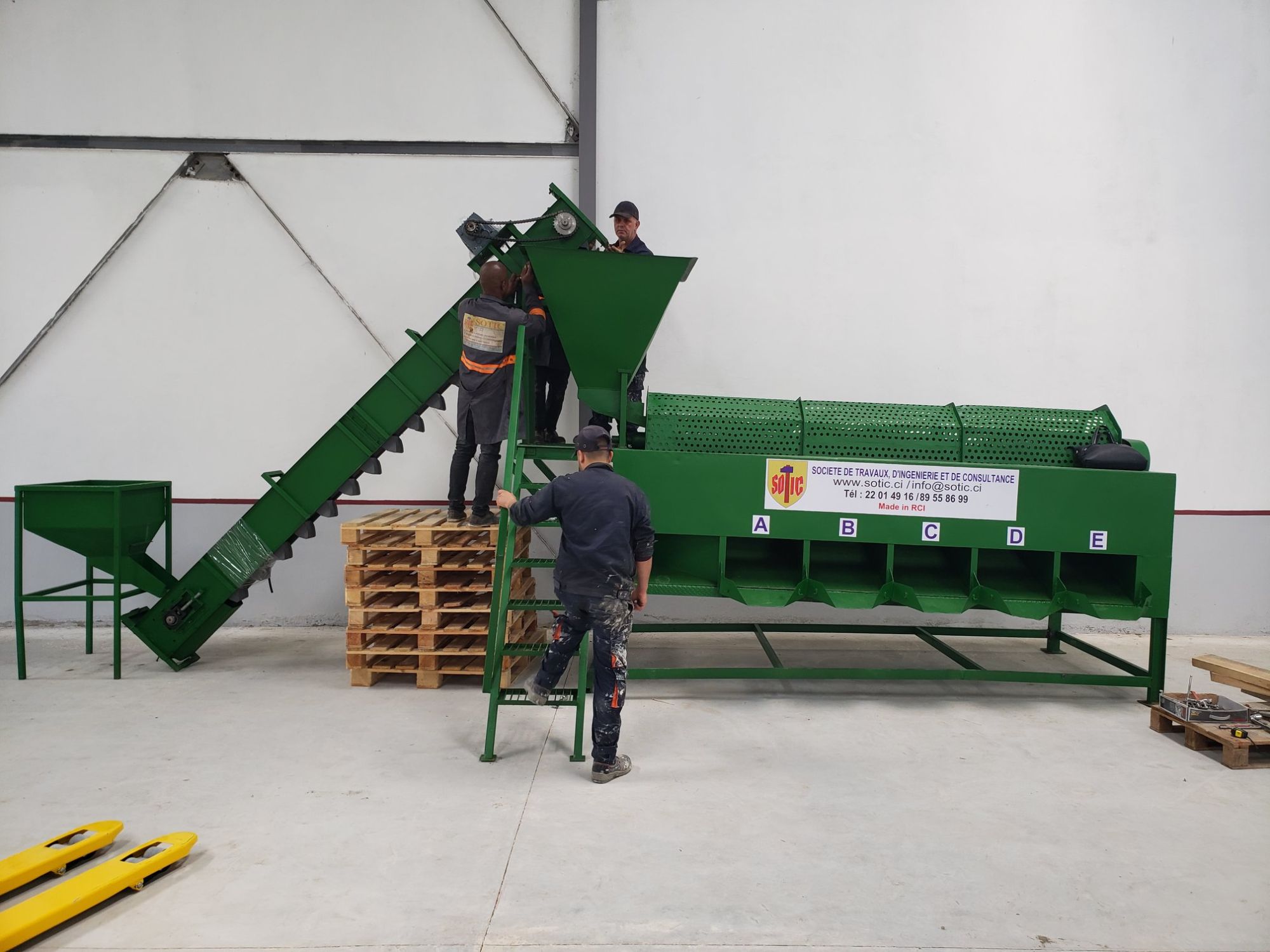
Automatic sizer
Sorts raw nuts into four to six size classes: the first condition of a high whole-kernel rate.
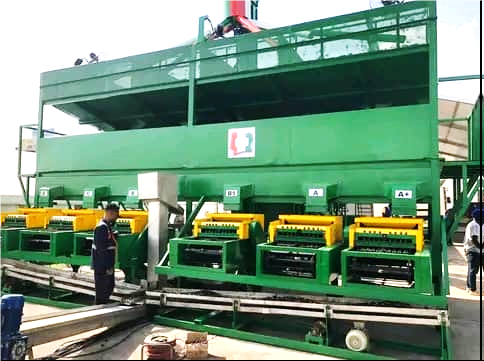
Automatic shelling line
Mechanised shelling line with paired blades, fed by size class.
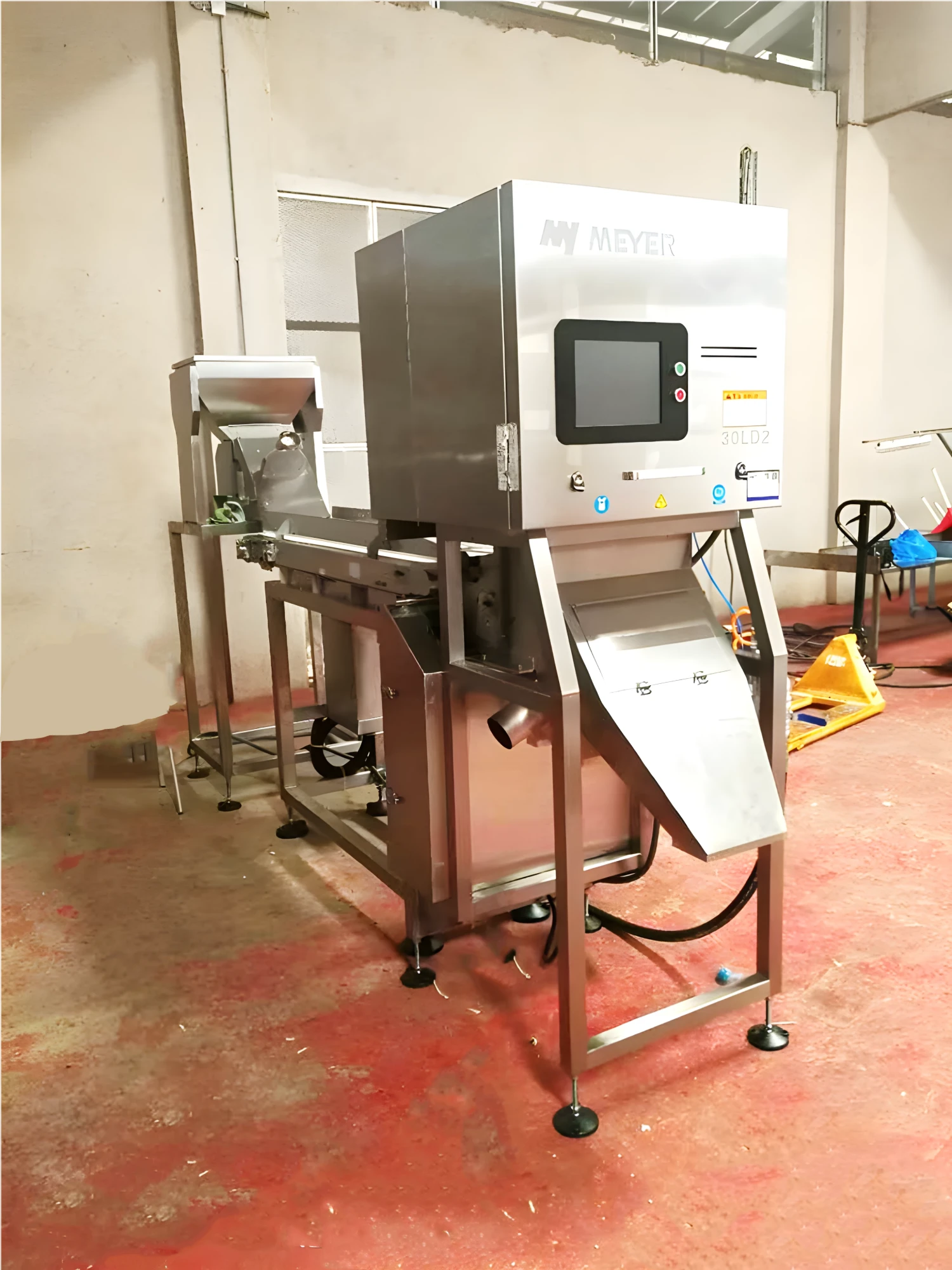
Optical colour sorter
Sorting by colorimetric analysis with pneumatic ejection of non-conforming kernels.
Whole kernel grader
Grades whole kernels by commercial grade on vibrating tables.