Turning the harvest into added value, on site.
SOTIC designs, manufactures, installs and maintains the equipment that allows Ivorian sectors to process their output locally: graters and presses for cassava, cashew shelling lines, creper mills for rubber, palm oil presses, dryers and packing units. Our construction division builds the works that house them.
→ 5 t/h capacity range of the lines offered (design template)
Status of these figures: the number of machines is a verifiable count of the catalogue; the capacity range is a design template to be confirmed machine by machine by the design office; the number of units installed is a measured result that SOTIC must supply before publication; the response time is a service objective, not an observed performance.
Three divisions, one chain of responsibility
Adding value to agricultural output never rests on a single machine. It depends on the match between the raw material, the process chosen, the equipment that carries it out and the building that houses it. SOTIC works on all four.
Agro-industrial processing
Complete lines and individual machines for cassava, cocoa, cashew, rubber, oil palm, cereals and fruit — sized on the real throughput of the material available, not on a standard catalogue.
Farm mechanisation
Power units, tillage implements, harvesting and post-harvest equipment: increasing the area worked per person while preserving soil structure and cutting post-harvest losses.
Building and civil works
Industrial civil engineering, anchor blocks, slabs under rolling loads, operating buildings and roads: the works that govern the service life and compliance of a production unit.
Every raw material imposes its own physics
A tuber at 65 % moisture, an oil-bearing kernel in a fibrous shell and a latex coagulum call for neither the same working members, nor the same peripheral speeds, nor the same contact materials. Our ranges are built sector by sector.

Cassava
Peelers, toothed drum graters, screw or hydraulic presses, cake breakers, gari roasters, dryers and screeners for attiéké, starch and bread flour.
- Grating throughput 0.5 to 3 t/h
- Moisture after pressing ≈ 45 %
Coffee & Cocoa
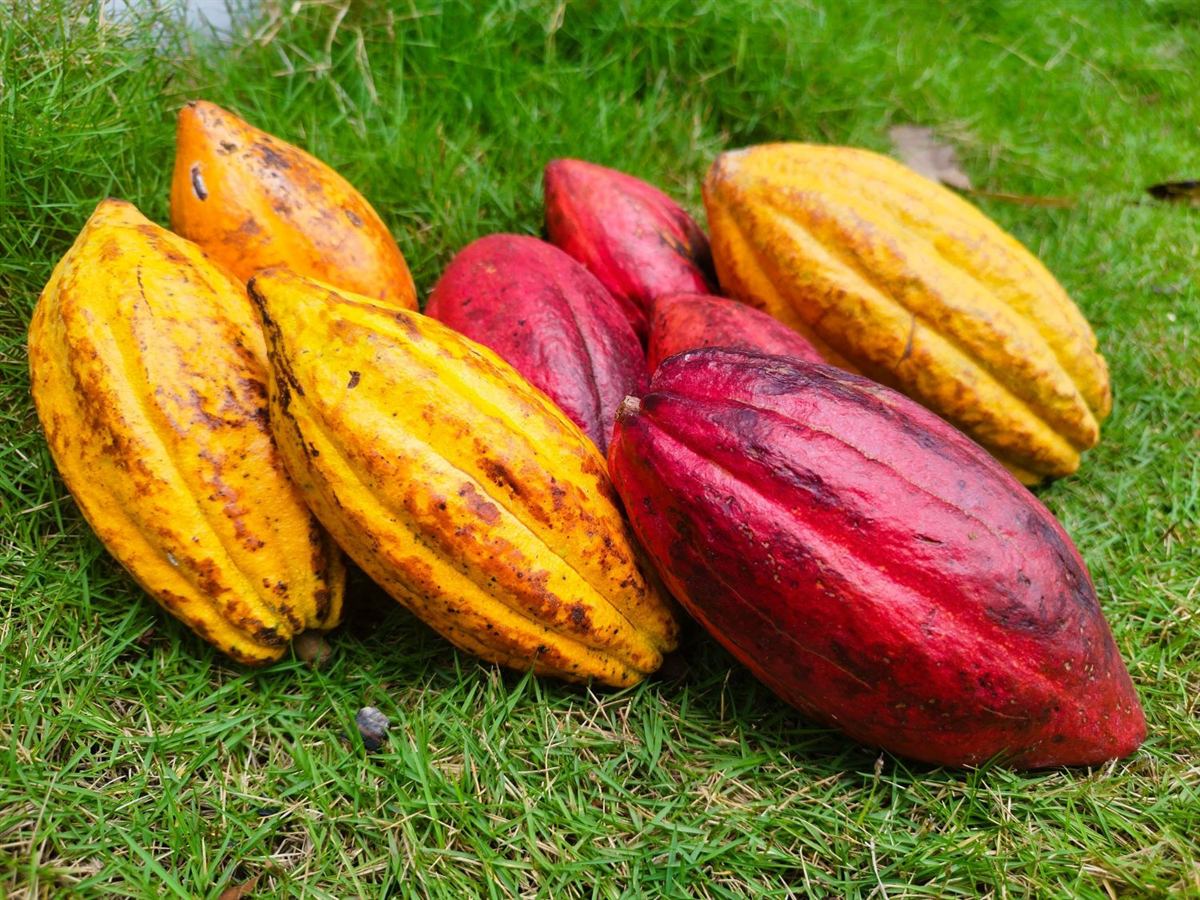
Pod breakers, fermentation boxes, indirect hot air dryers, drum roasters, cracker-winnowers and stone mills for cocoa liquor.
- Target final moisture 7 to 8 %
- Roasting 110 to 140 °C
Cashew
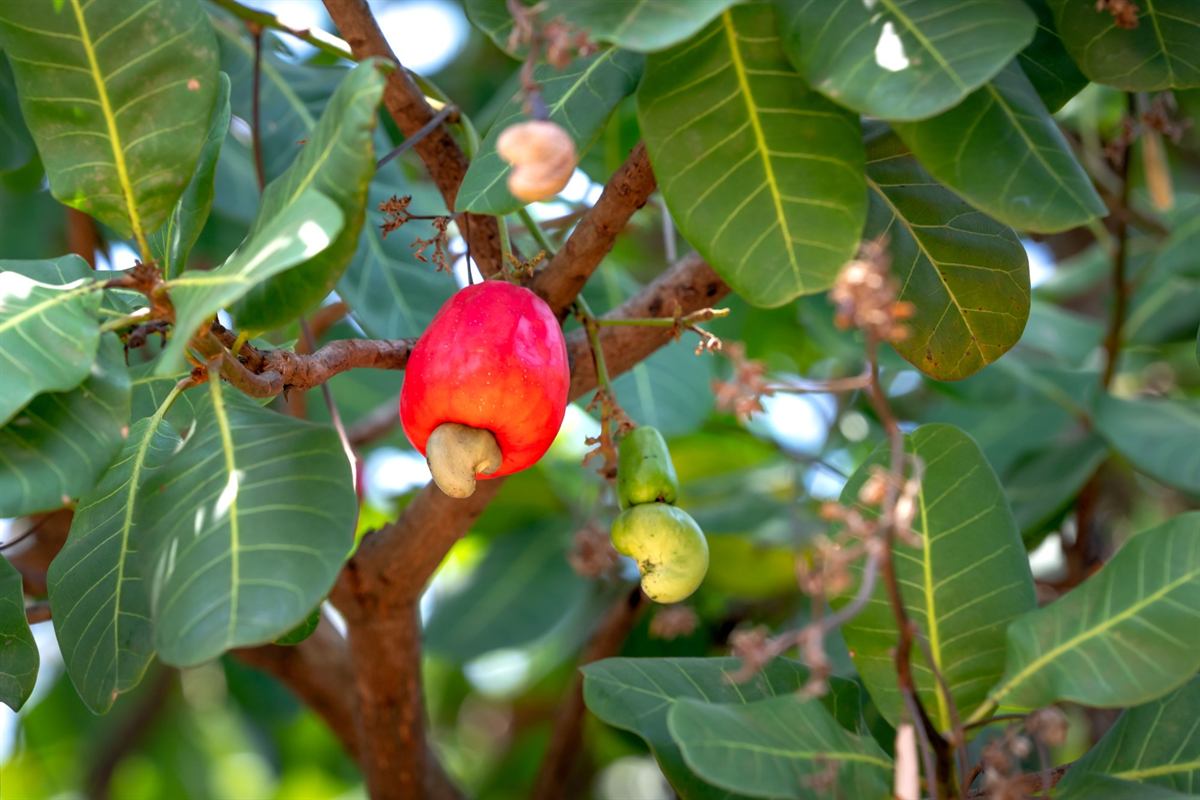
Sizers, steam cookers, paired-blade shellers, peeling ovens, sorting tables and vacuum packing of white kernels.
- Whole-kernel rate target > 85 %
- Sizing 4 to 6 classes
Rubber
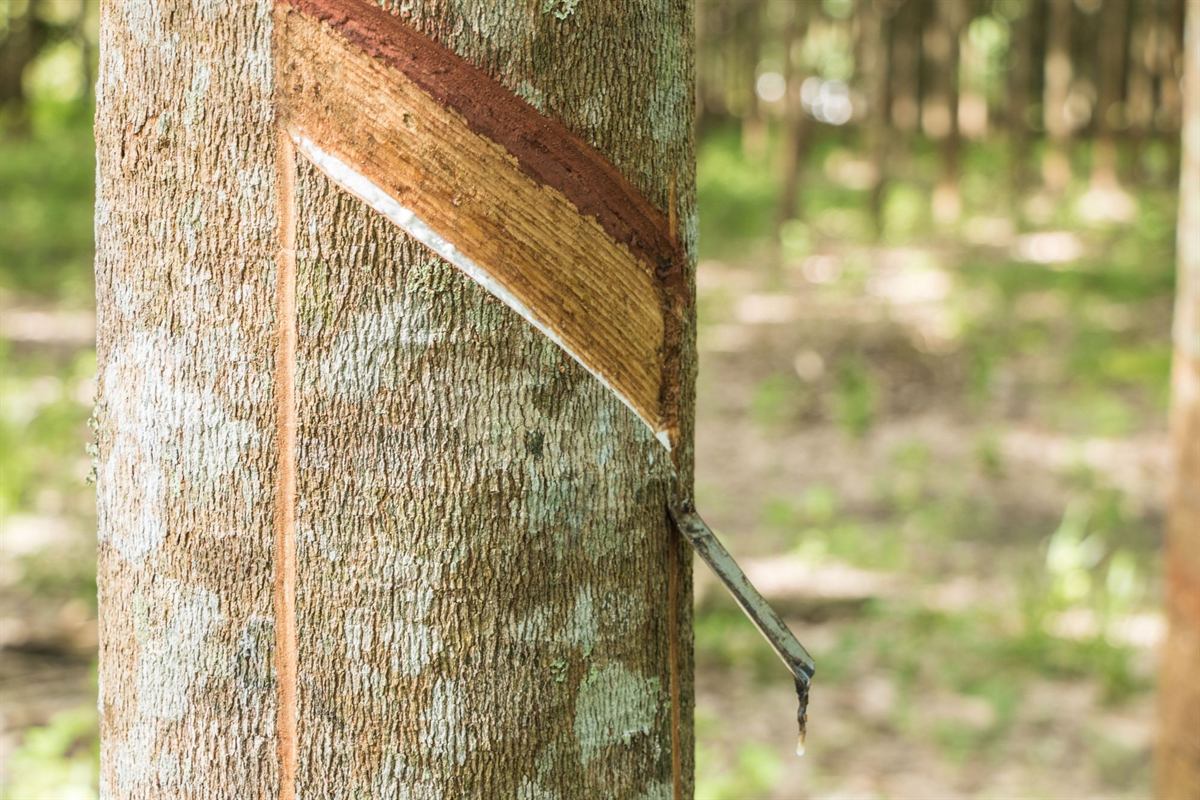
Coagulation tanks, grooved creper mills, granulators, washers, trolley dryers and baling presses for preparing technically specified rubbers.
- Drying 110 to 125 °C
- Bales 33.3 kg standard
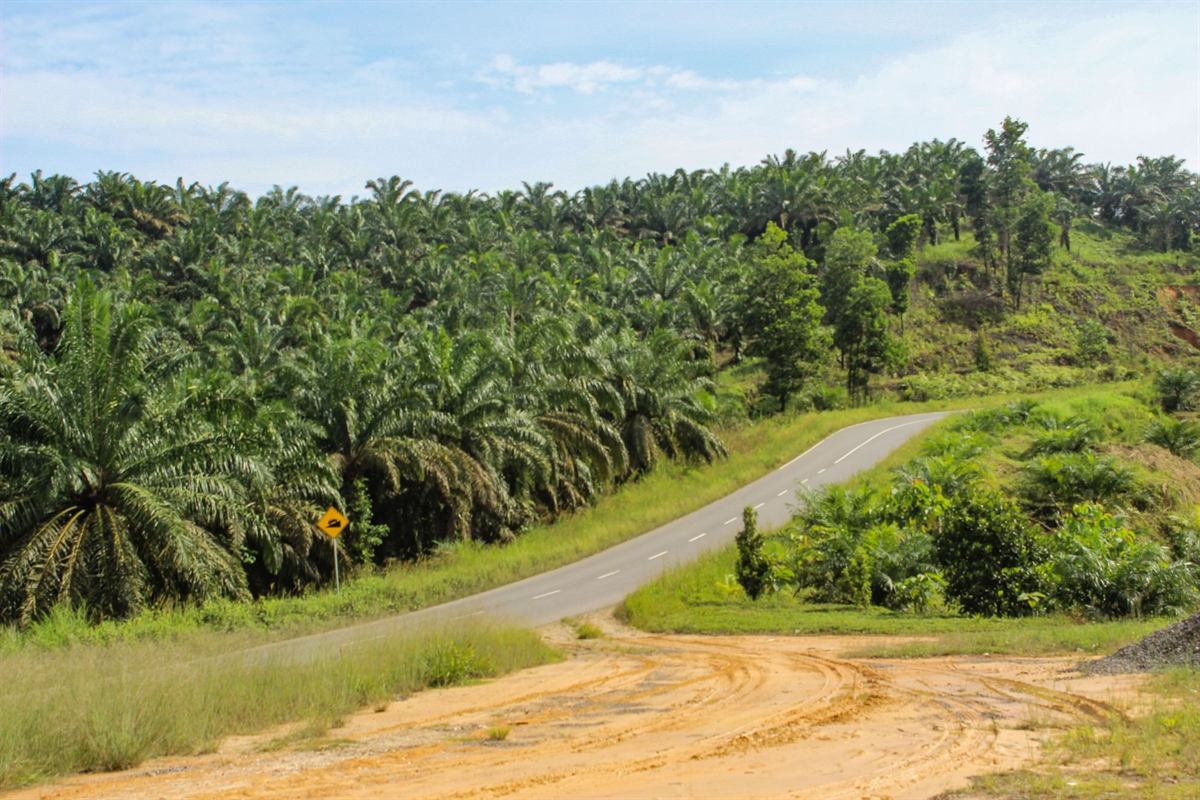
Oil palm
Sterilisers, bunch strippers, heated digesters, screw presses, static clarifiers, vacuum dryers and palm nut crackers.
- Target extraction rate 18 to 22 %
- Oleic acidity < 5 % target
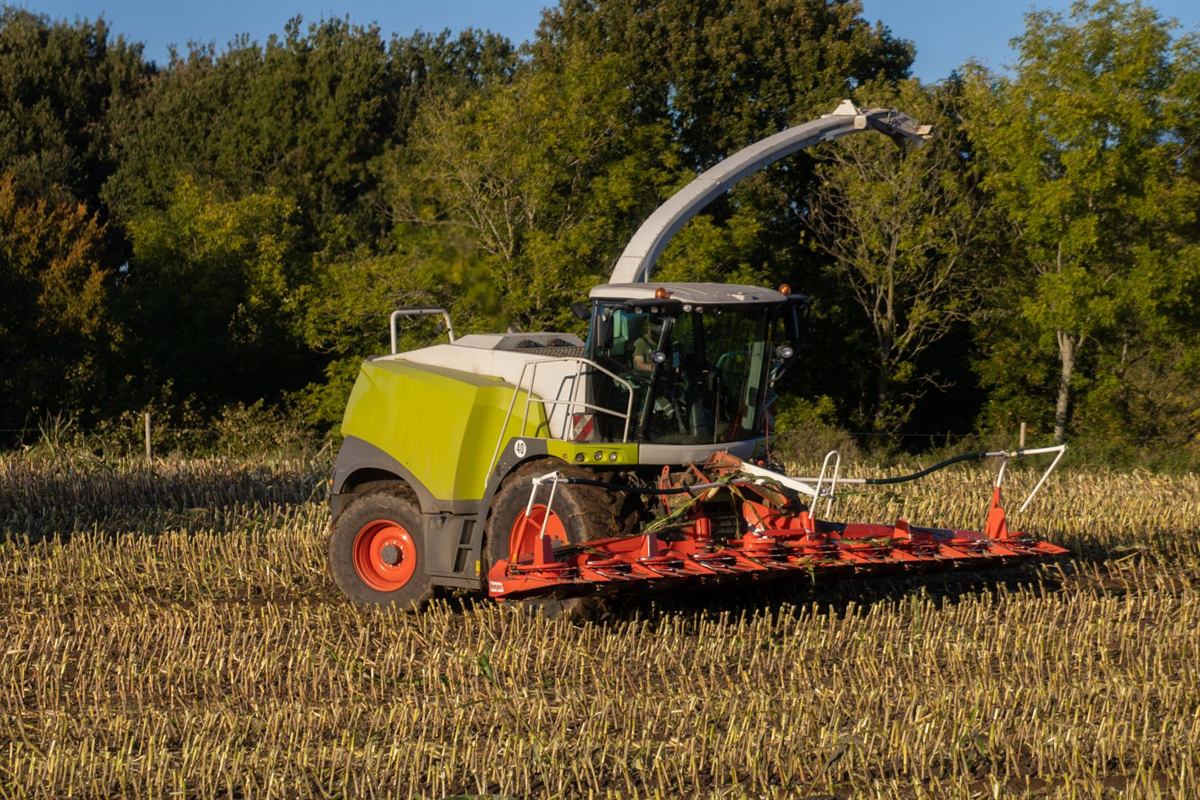
Cereals & Fruit
Thresher-winnowers, roller hullers, hammer mills, tunnel dryers, crusher-refiners and pasteurisers for juice, purée and nectar.
- Storage moisture 12 to 13 %
- Pasteurisation 85 to 95 °C
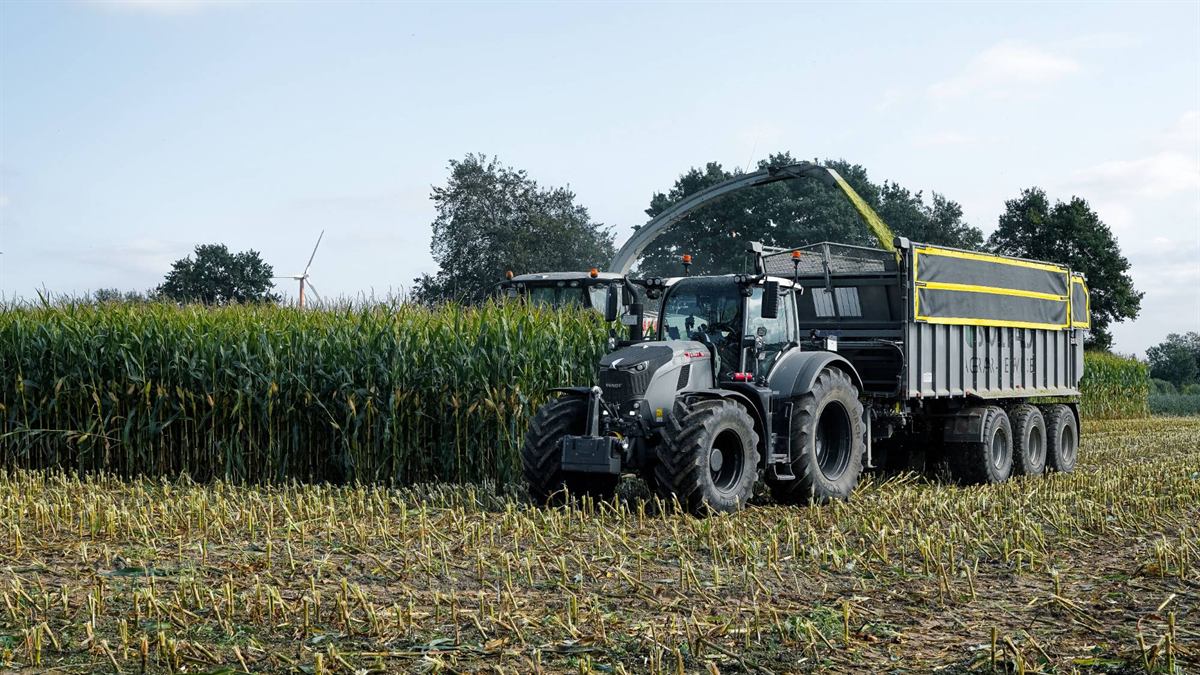
Farm mechanisation
Tractors and power tillers, disc ploughs, harrows, seed drills, trailers, and adaptation of implements to the soil conditions of the areas served.
- Power 15 to 120 hp
- Linkage 3-point cat. I / II
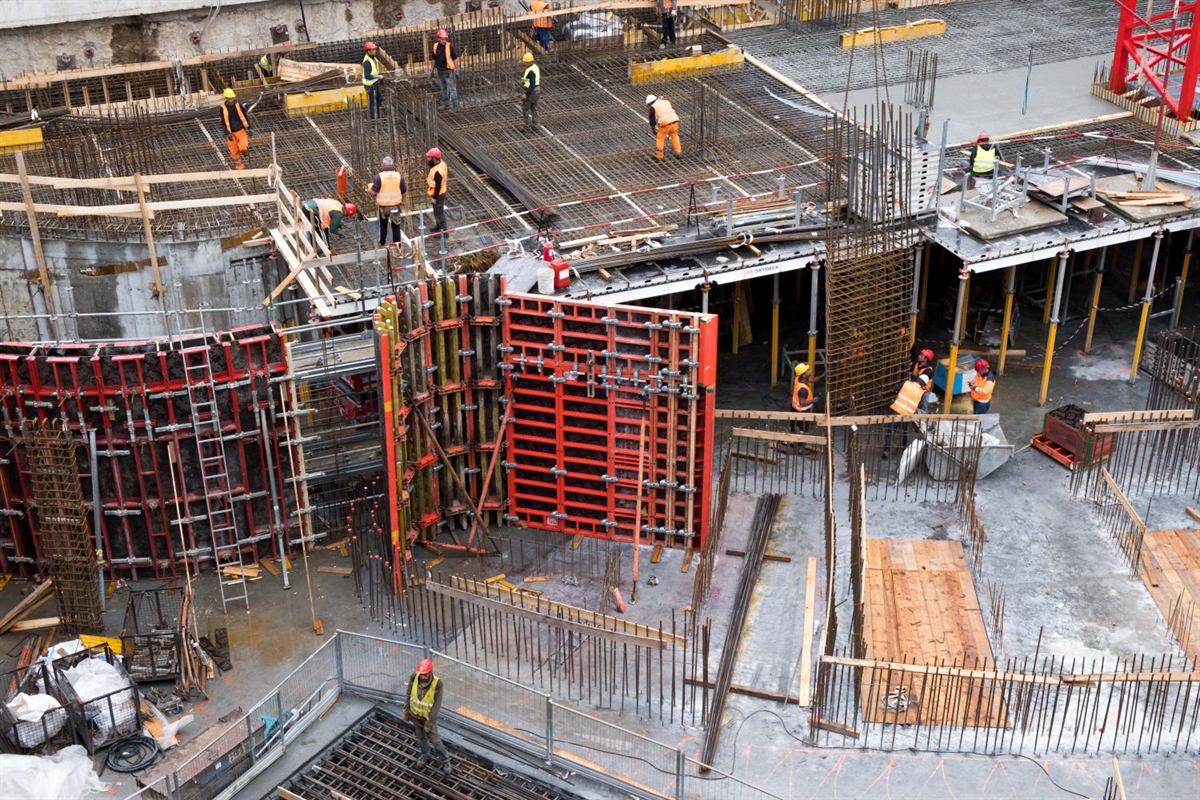
Building & civil works
Processing sheds, industrial slabs, machine foundation blocks, water and drainage networks, access roads and administrative buildings.
- Slabs rolling loads
- Handover with testing
A machine is only worth the process it carries out correctly
Too many processing units stop within eighteen months of their inauguration. Rarely because of a mechanical failure: most often because the installed throughput did not match the real supply of material, because energy was not available at the power required, or because no operator had been trained in the fine adjustment of the equipment. Our method addresses those three causes before price is discussed.
Sizing on real supply
We start from the tonnage that can actually be mobilised per season, its seasonality and its variability, not from the nominal capacity the client imagines. Oversizing by 40 % destroys profitability as surely as a breakdown.
Designed for local maintenance
Bearings, belts, motors and wear parts are chosen from references available on the Ivorian and regional market. A part that cannot be found immobilises a whole line, whatever its original quality.
Materials suited to food contact
AISI 304 stainless steel for surfaces in contact with food, treated carbon steels for structures, abrasion-resistant coatings for parts exposed to sandy loads and acidic juices.
Transfer of skills
Every commissioning includes training for line operators and a documented preventive maintenance plan: greasing, tensions, alignment checks, safety points.
From feasibility study to the first tonne produced
A four-stage sequence, the same for a village grating unit as for an industrial plant — only the scale of the deliverables changes.
Diagnosis and sizing
Characterisation of the raw material, material and energy balance, definition of the target hourly throughput and of the requirements in power, water and built area.
Design and manufacturing
General and detail drawings, bill of materials, choice of materials and standard components, cutting and machining, welded assembly, dimensional checks and no-load testing in the workshop.
Civil works and erection
Anchor blocks and slabs, setting out, electrical and hydraulic connections, alignment of drives, load testing and joint acceptance.
Training and maintenance
Training of operators and technicians, handover of the preventive maintenance plan, build-up of the wear-part stock, performance monitoring over the first seasons.

Case study template to be completed
This space is reserved for a documented project: the context of the cooperative or industrial client, the initial constraint, the process selected, the equipment installed, the results observed after one or two seasons, and the client's own words.
To be supplied by SOTICProject name, location, commissioning date, installed capacity, site photographs and written authorisation from the client to publish their name and testimonial.
See all projectsInstitutions, industrial clients and cooperatives
Ministries and public agencies, sector bodies, development projects and agro-industrial groups: the organisations SOTIC works with span the whole chain, from agricultural policy to the processing plant.















Projects, innovation and sector life

Template: commissioning of a processing unit
Standard outline: sector context, installed capacity, process selected, technical difficulties encountered and results of the load acceptance test.
Read the article
Template: improving a working member
Standard outline: problem observed in operation, technical hypothesis, comparative trials, measured gain in throughput, consumption or wear.
Read the article
Template: taking part in a trade show
Standard outline: event, equipment exhibited, discussions with the sectors, lessons drawn for the product roadmap.
Read the articleWhat project developers ask us first
Through an annual material balance, not through a desired capacity. We establish the tonnage that can genuinely be mobilised within the collection radius, its distribution across the year, then the realistic number of operating hours per season. The target hourly throughput follows, with a 15 to 20 % safety margin to absorb peaks and technical stoppages. It is that calculation which sets the size of the working parts, the installed power and the built area — never the other way round.
The mechanical assemblies — frames, hoppers, casings, screws, drums, press frames — are manufactured in our workshop from sheet and sections available on the market. Standard components for which local manufacture would make no technical or economic sense — motors, gearboxes, bearings, cylinders, drives, instrumentation — are sourced from suppliers whose references are distributed in Côte d'Ivoire, which guarantees the availability of spare parts.
It depends on the process. Mechanical operations (grating, grinding, pressing, shelling) consume electricity or thermal motive power, with specific energies of the order of a few tens of kilowatt-hours per tonne processed. Thermal operations (drying, roasting, sterilising) dominate the energy balance and are counted in megajoules per kilogramme of water evaporated. The study states, for each station, the power demand, the supply mode chosen (grid, generator set, biomass) and the energy cost per tonne produced.
Yes, that is the purpose of our construction division. A processing line imposes precise constraints on the building: foundation blocks sized to absorb the alternating forces of rotating machinery, slabs able to carry the rolling loads of handling equipment, falls and channels for effluent drainage, ventilation of drying rooms, separation of clean and dirty areas. Handling the machine and the works within the same contract removes the grey areas of responsibility.
Acceptance comes with a preventive maintenance plan (greasing intervals, tension and alignment checks, replacement of wear parts) and a set of essential spares. Periodic servicing contracts and corrective work can be agreed separately. The exact warranty terms and response times are to be confirmed with SOTIC before publication.
Describe your raw material, we will size the equipment
Available tonnage, location, accessible energy, target finished product: these four pieces of information are enough to start a first study and give you a reasoned answer.